★★★★★
“I couldn't be happier with the service! … on time, professional, and did an amazing job installing my Tesla charger. Their customer service was outstanding, they answered all my questions…”
Brandon C.Google review · 2 months ago
EV Charger Installation · Southern California
We install Level 2 chargers on a dedicated 240-volt circuit — permitted, inspected, and load-calculated first. If your panel can't carry the charger, you'll hear it from us before you spend a dollar on the install.
Text us a photo of your panel and the make of your car. That's usually enough for us to tell you what you're looking at.
The service
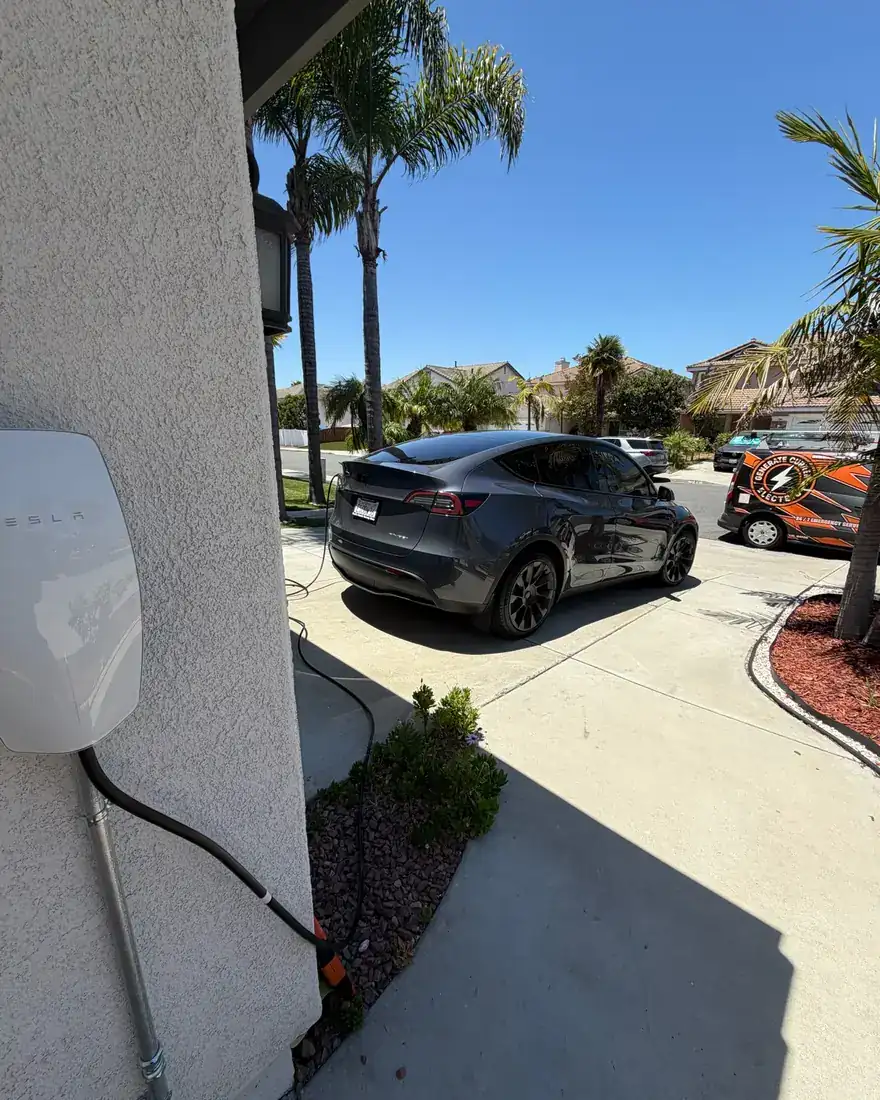
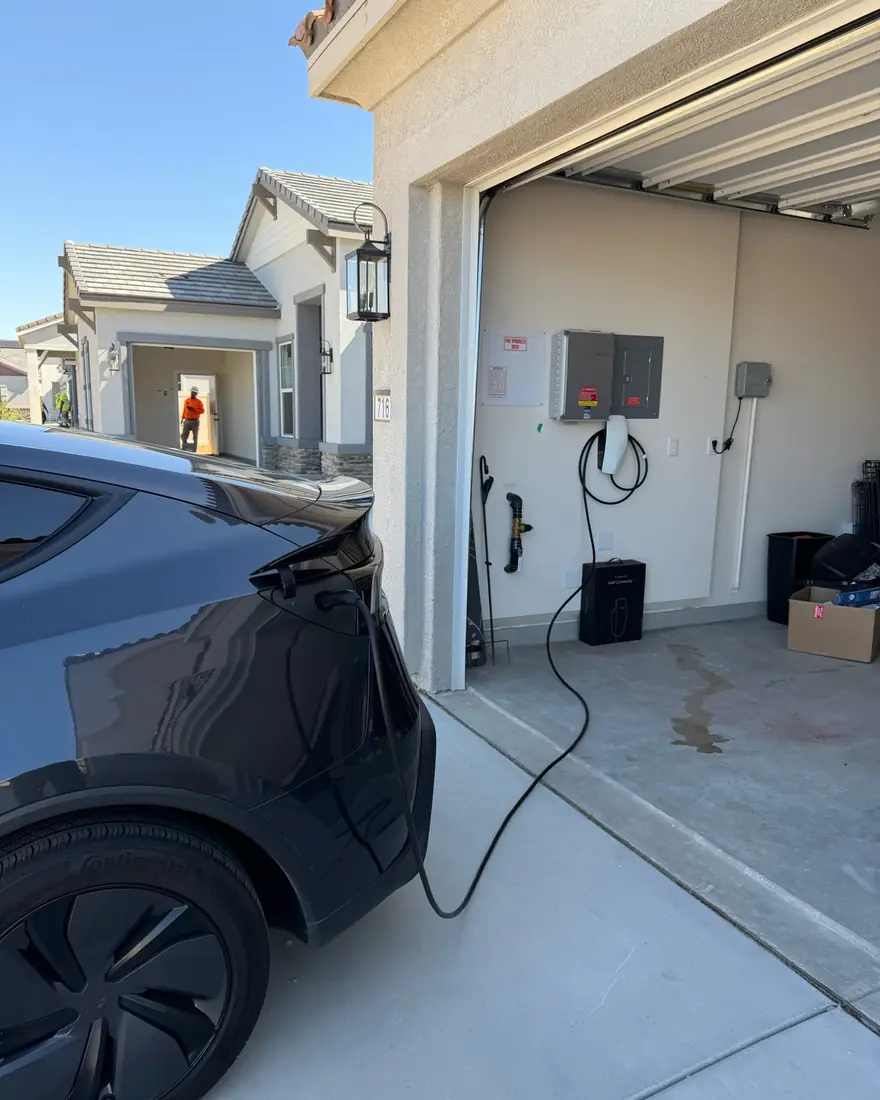
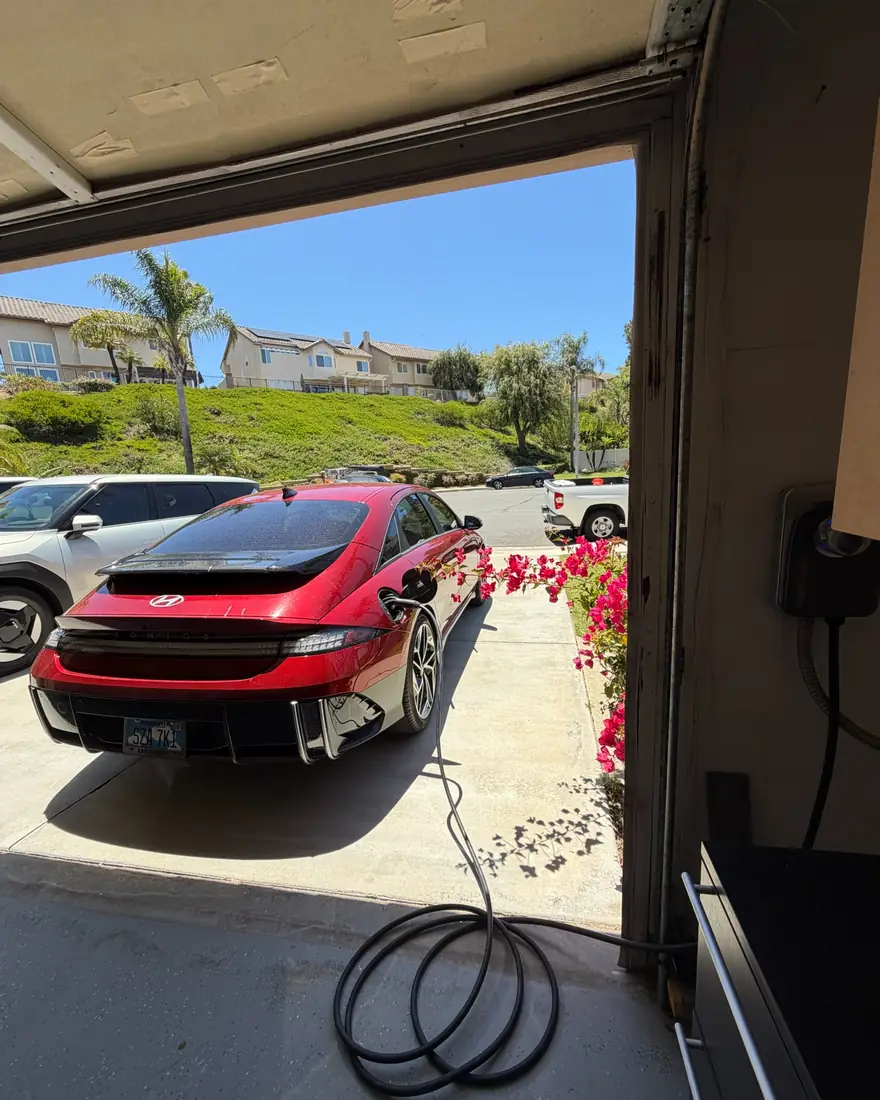
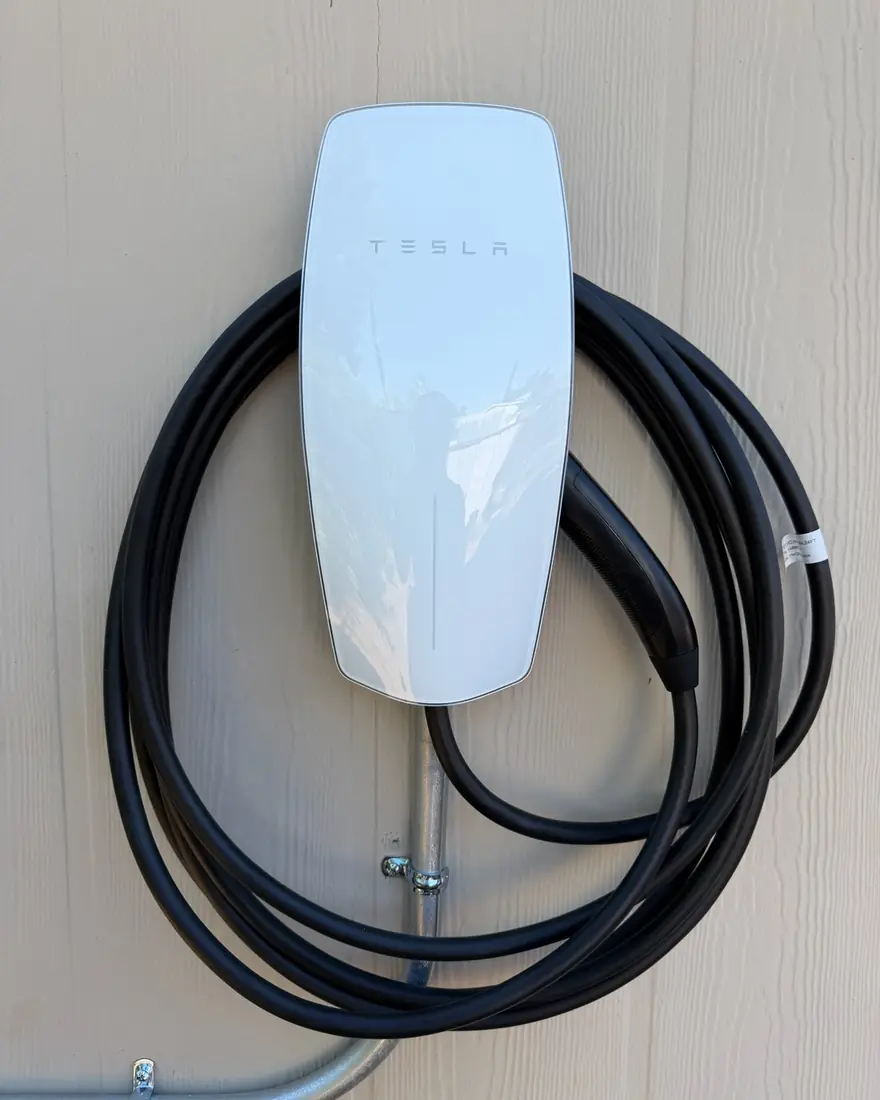
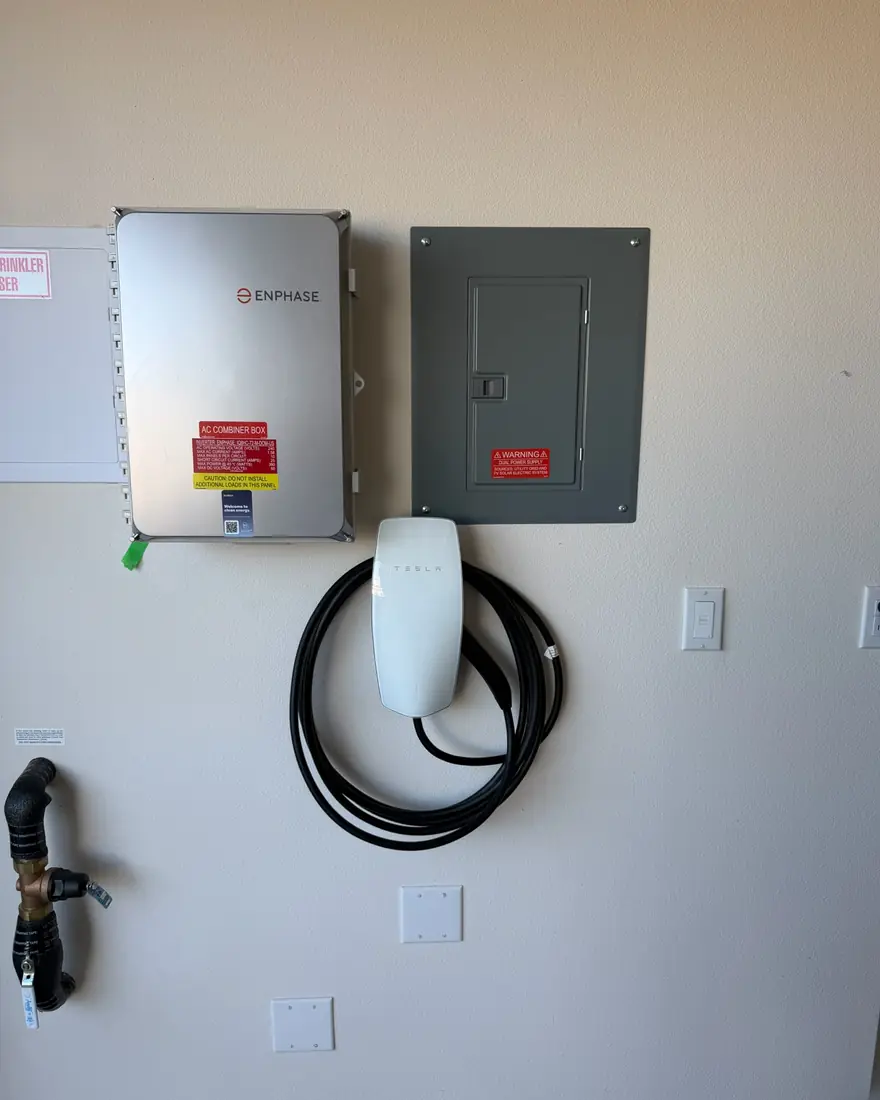
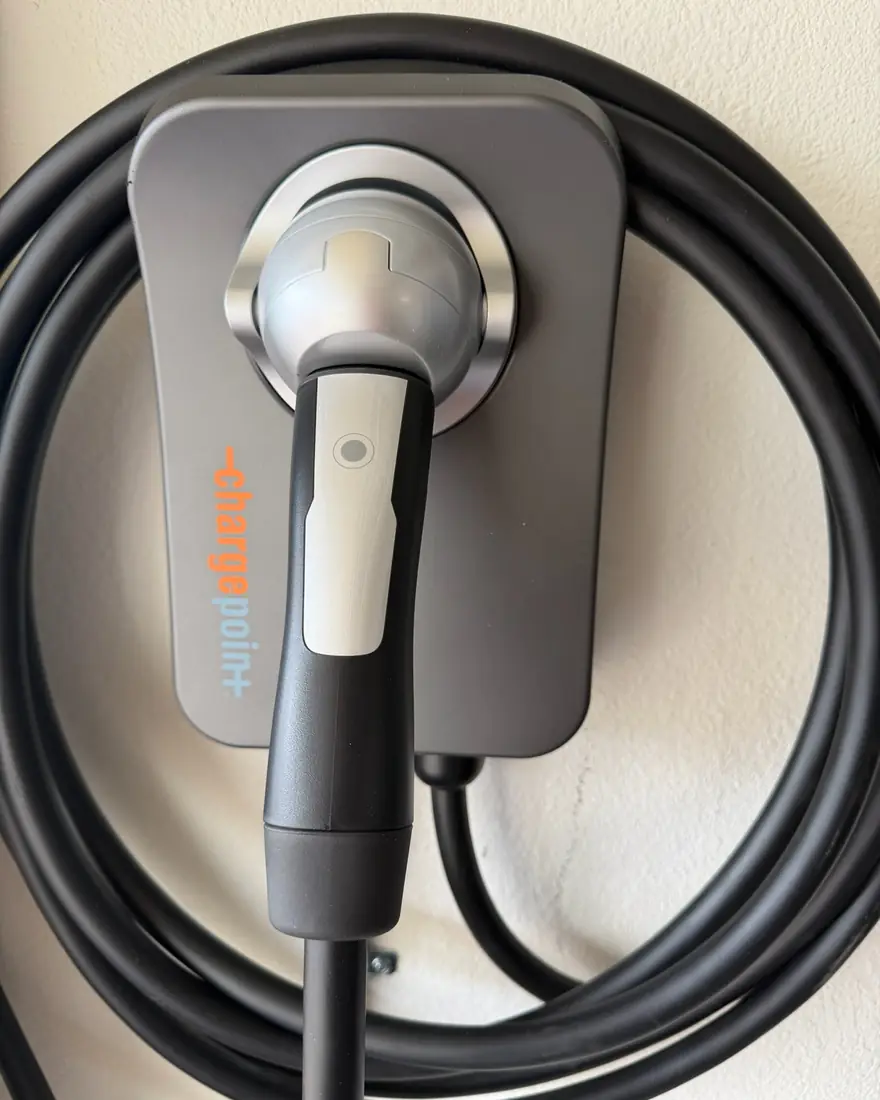
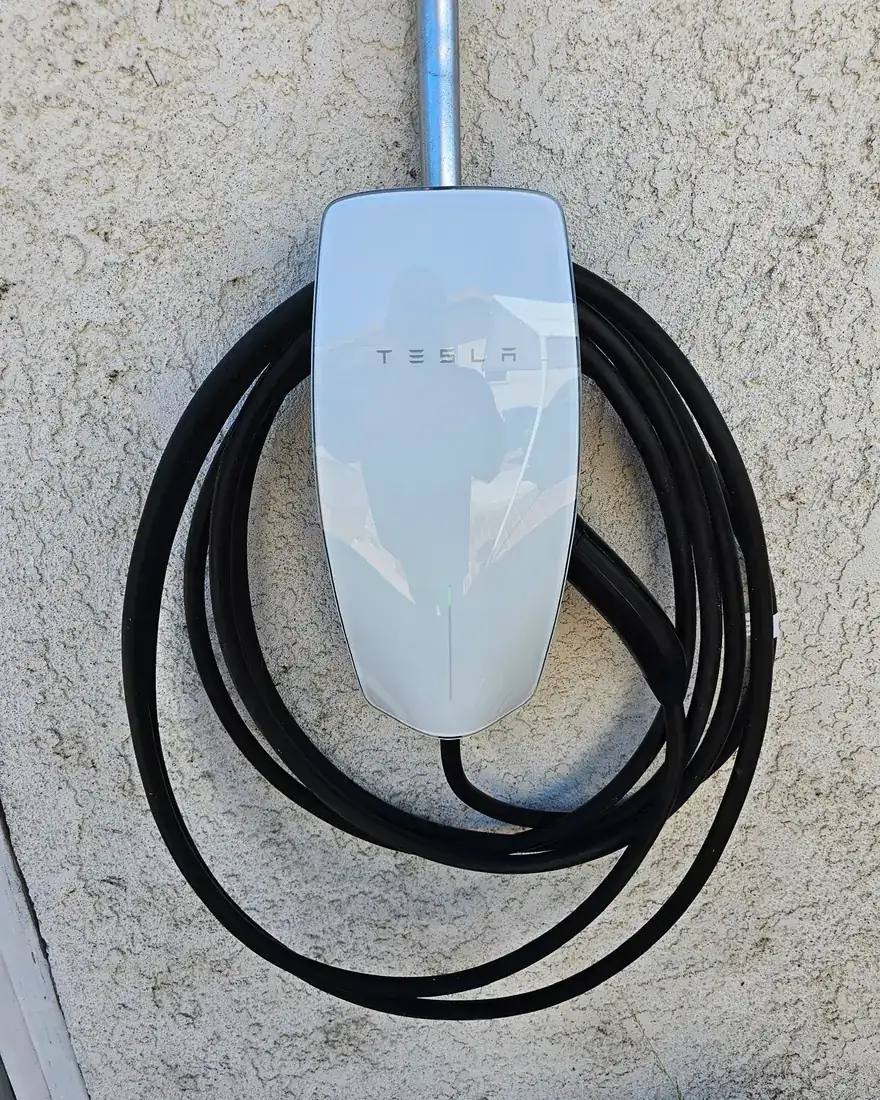
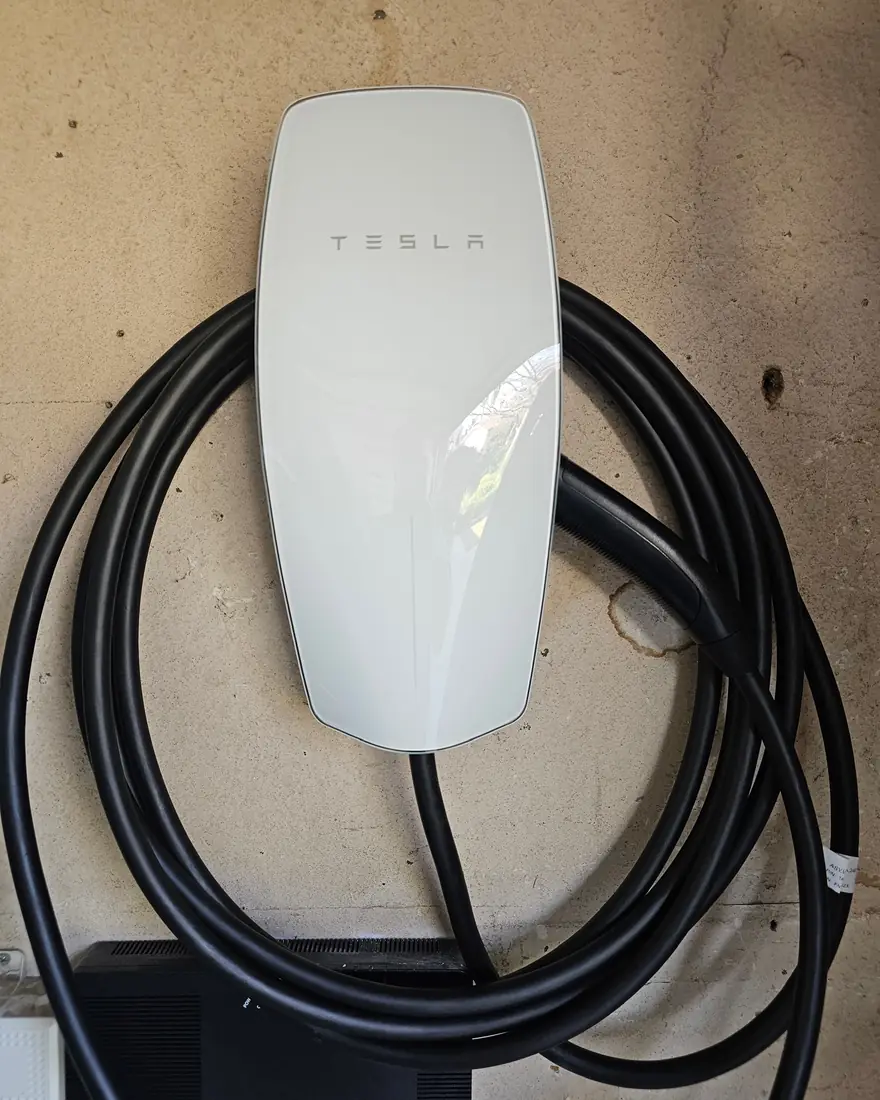
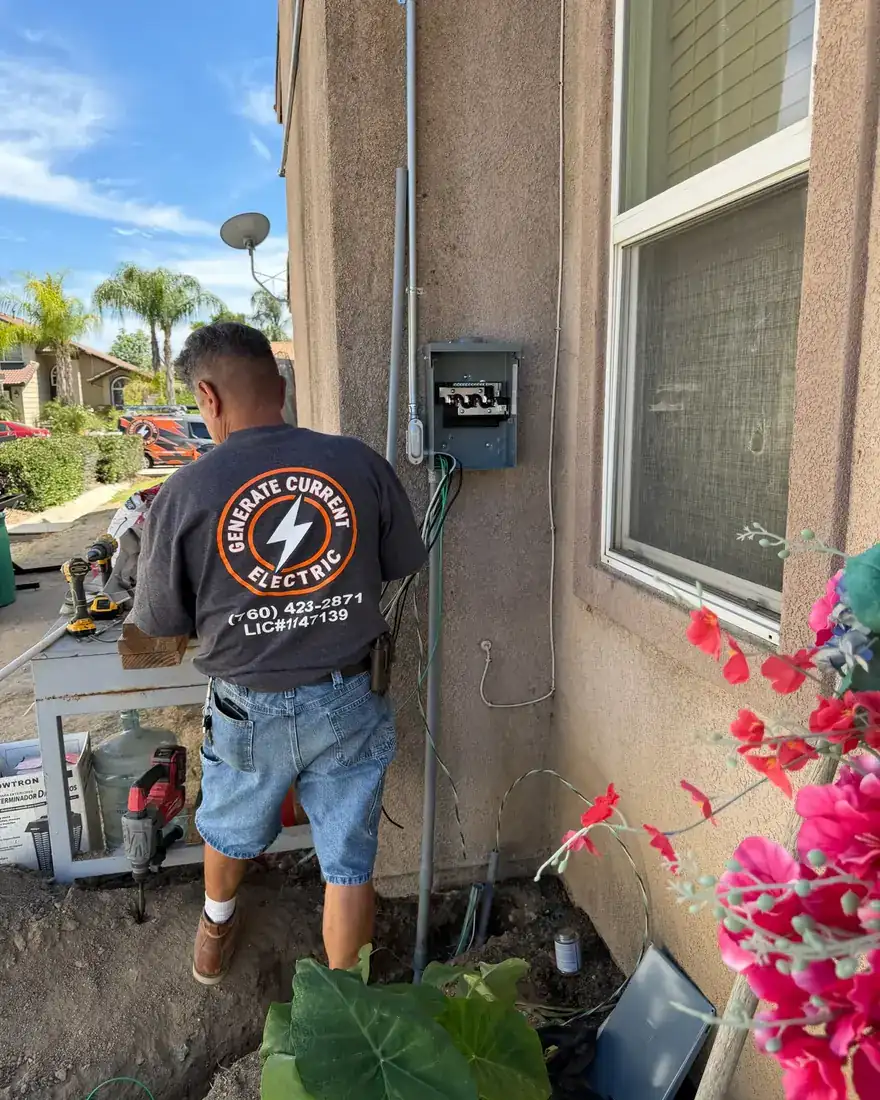
Charge your electric vehicle conveniently and efficiently from the comfort of your own home. Generate Current Electric provides professional EV charger installation, including evaluating your home's electrical system, performing load calculations, and installing the proper circuit and equipment for your charger.
Whether you're purchasing an EV or upgrading your current charging setup, we'll help ensure your installation is safe, reliable, and code-compliant.
Contact us today to schedule your free estimate and find out what your home needs to support an EV charger.
What our customers say
Reviews are real and unedited except for length. Rating and review count verified on Google in September 2026. See all 23 reviews.
What you actually need
A standard 120-volt outlet will charge your car. It will just take most of a weekend to do it. The difference is voltage and dedicated capacity.
120V · standard outlet · the cord that came in the trunk
240V · dedicated circuit · hardwired or NEMA 14-50 outlet
Charging speeds are approximate. Your car's onboard charger sets the ceiling — a vehicle limited to 7.7 kW won't go faster on a 60-amp circuit.
The panel question
A Level 2 charger is a continuous load, so code requires the circuit to be sized at 125% of the charger's draw. A 48-amp charger needs 60 amps of capacity set aside for it — and a lot of older Riverside-area homes are already running close to their limit.
A Level 2 charger needs its own two-pole breaker and enough service capacity behind it. Half this job is knowing whether that room exists.
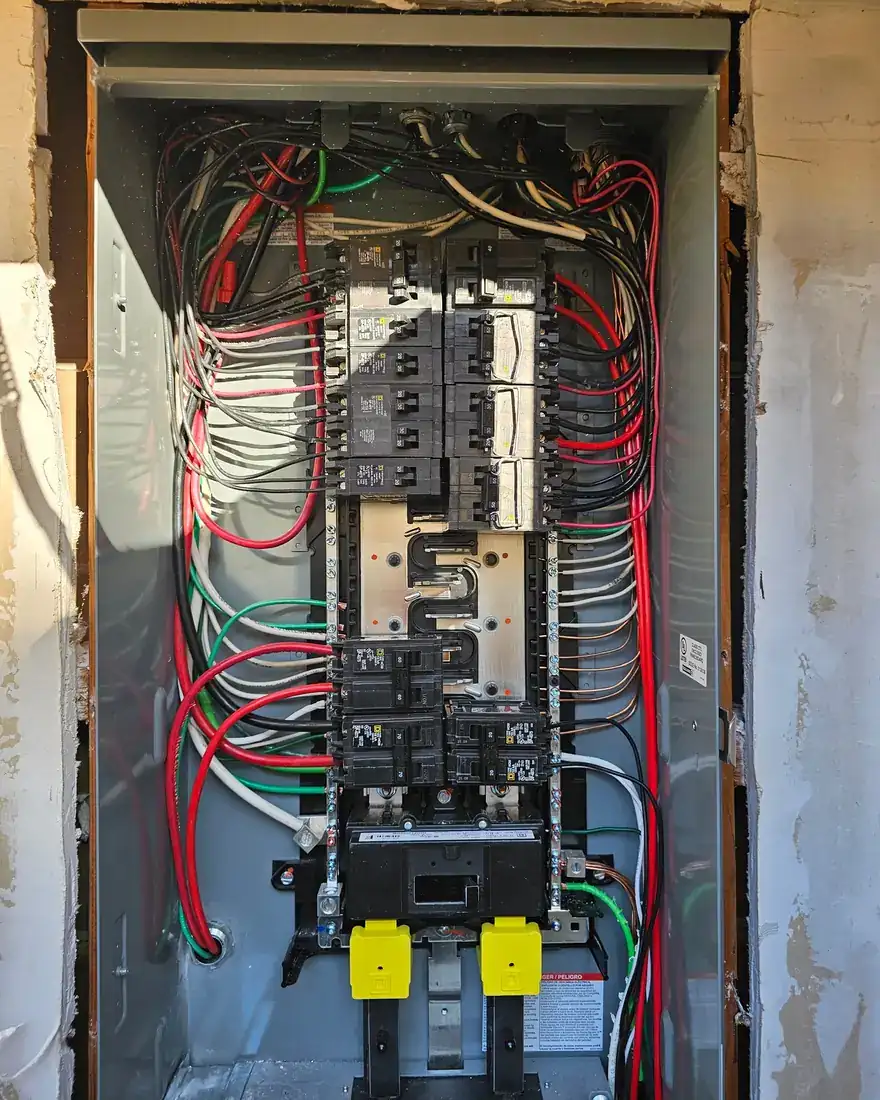
Over capacity. This one needs a service upgrade, a load-management device, or a smaller charger.
Room to spare — and room for the next thing you add.
Code permits load-management devices that pause charging when the rest of the house is drawing hard. On some homes that's a few hundred dollars instead of a full service upgrade. We run the calculation first and tell you which one you're actually looking at — including when the honest answer is that you don't need us to change anything.
What the install includes
Your existing demand measured against your service, before anything gets ordered.
New two-pole breaker, correctly sized conductors, and conduit run to where you park.
Whichever your charger and your city prefer. We'll tell you which is which.
Pulled in your city, scheduled by us, and signed off. You get the paperwork.
Charger mounted at working height, cable managed, garage left the way we found it.
We don't leave until it's charging your car and you know how to use it.
How it works
Text a picture of your panel and tell us what you drive. We'll give you a range over the phone.
We walk the run from the panel to your parking spot and put a firm number in writing.
We pull the permit and do the work — most straightforward installs are a single day.
We meet the inspector, get the sign-off, and hand you the record.
Questions we get every week
Yes. A new 240-volt circuit is permitted work in every jurisdiction we serve. An unpermitted install can surface during a home sale or an insurance claim, and it's the reason we won't do one. We pull it, we meet the inspector, you keep the record.
Sometimes. It depends on your service size and what's already on it. Homes on 100-amp service with an electric range, dryer, and central air are often the ones that need either an upgrade or a load-management device. We run the calculation before quoting so you're not finding out mid-install.
You can. Most of our customers buy their own — the vehicle manufacturer's unit or a common third-party brand — and we install it. We'll tell you before you buy if the one you're looking at won't pair well with your panel or your parking spot.
Farther than most people expect, but distance costs money — longer runs need larger conductors to hold voltage. If your panel is on one side of the house and you park on the other, say so when you call. It's the single biggest variable in the price.
Utility and state incentive programs for home charging exist and change often. We'll tell you which ones are open when we quote you, and what documentation they'll want from us. We don't quote incentive amounts we haven't verified that week.
Yes. We work out of offices in Riverside and Murrieta, and we cover the Inland Empire, Orange County, San Diego County, and LA County. Call with your address and we'll confirm before scheduling.
Free estimate
We'll come out, run the numbers on your panel, and give you a firm price in writing. No charge for the visit, and no pressure to book on the spot.
Sparking panel, dead circuit, burning smell — call any hour.
IE & OC · (951) 233-3659 SD & LA · (760) 423-2871